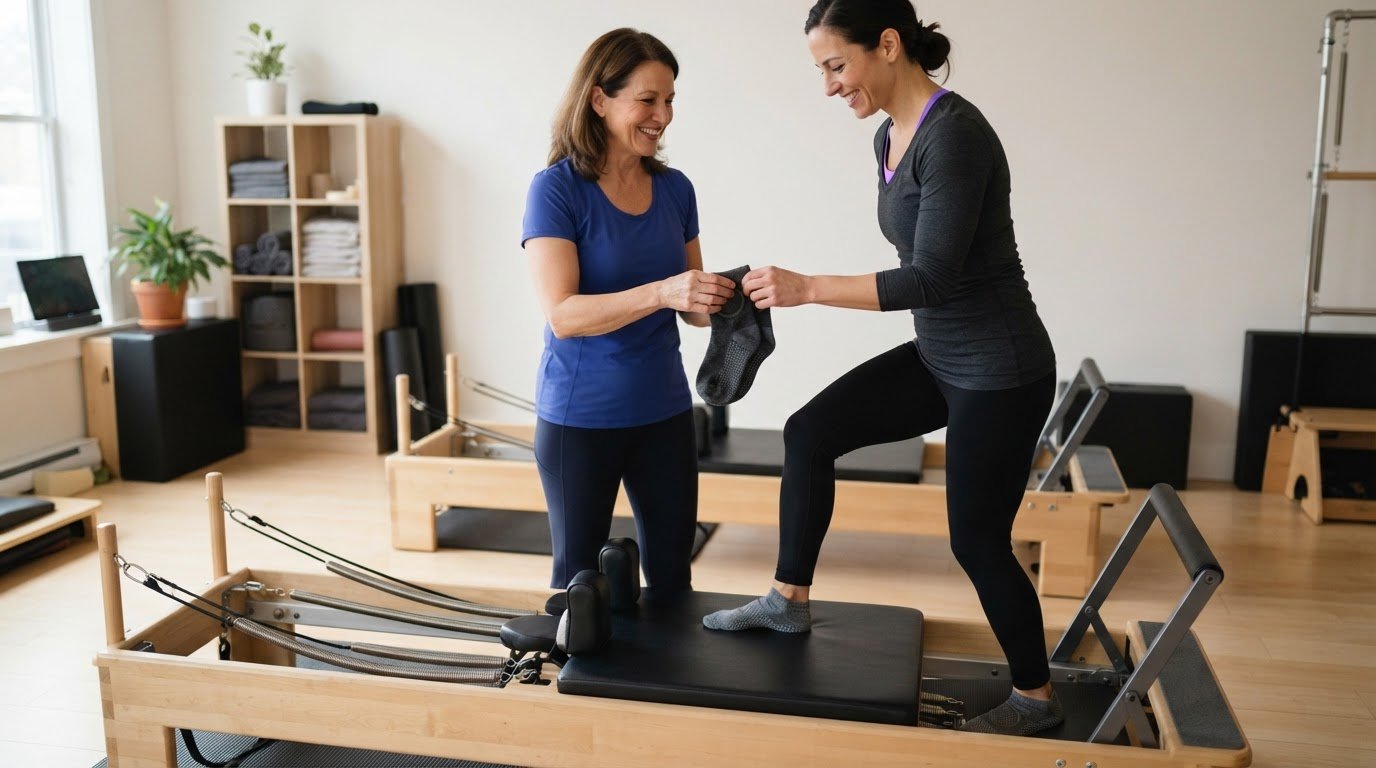
Retention grows through small moments that make students feel seen, supported, and eager to return. Effective client retention strategies for dance studios combine reliable attendance tracking with personal feedback, a welcoming community, thoughtful surprises, and rewards for participation. The goa...
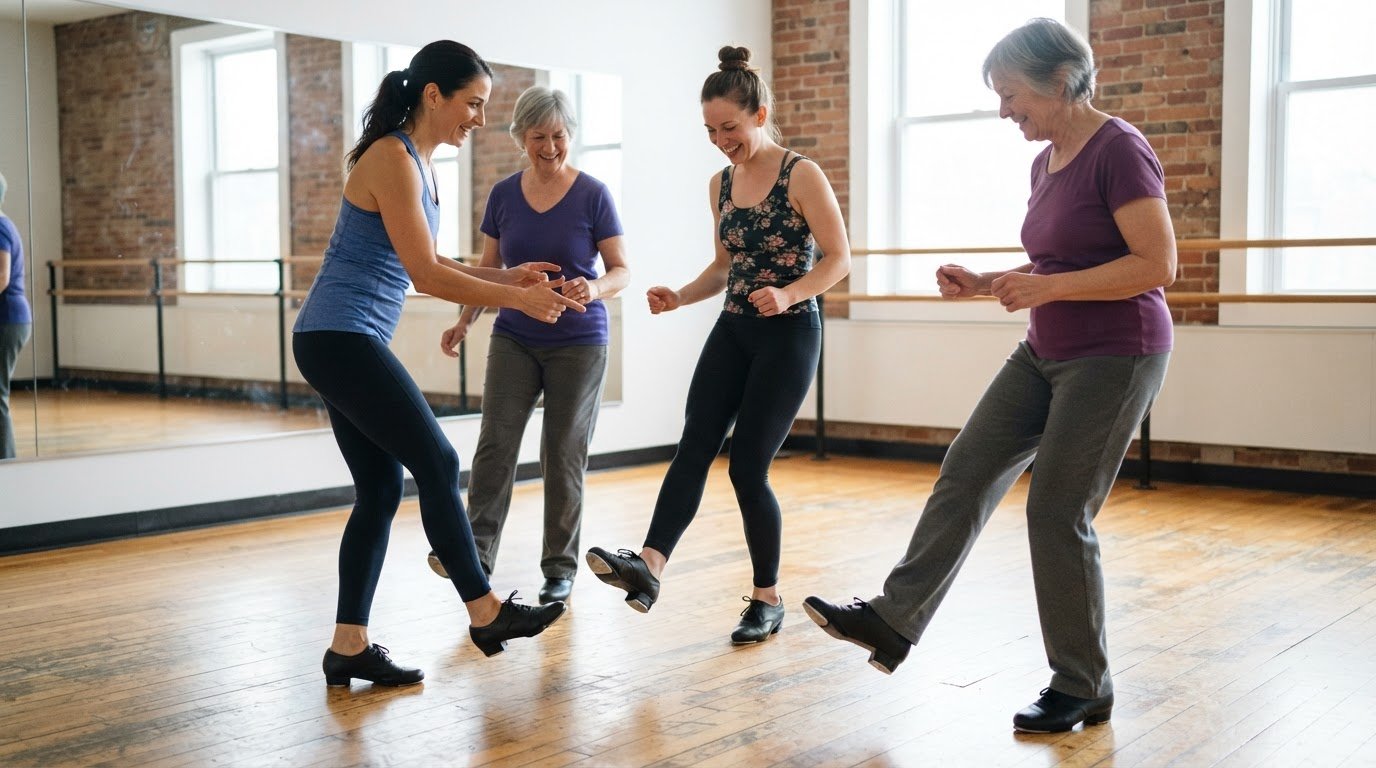
Retention grows through small moments that make students feel seen, supported, and eager to return. Effective client retention strategies for dance studios combine reliable attendance tracking with personal feedback, a welcoming community, thoughtful surprises, and rewards for participation. The goal is to spot when a student needs support and give them a reason to stay connected.
It’s natural to focus on filling classes, but keeping current students engaged matters just as much. A missed class, a scheduling frustration, or a student who feels overlooked can become a reason to leave if no one notices early.
Use studio tools to keep attendance and student details organized, then pair that information with genuine conversations and timely feedback. This guide explores practical ways to surprise students, build community, address concerns early, and reward attendance and repeat enrollment, so you can create an experience students want to return to.
• Use student profiles and attendance patterns to notice who may need a personal check-in, especially during the first week of classes.
• Make surprises thoughtful and personal, from celebrating milestones to inviting students to special events.
• Give students a role in shaping studio life and create chances for them to connect beyond class.
• Gather feedback early so you can address communication, scheduling, or facility concerns before they grow.
• Reward consistent attendance, referrals, and repeat enrollment with incentives that make students feel appreciated.
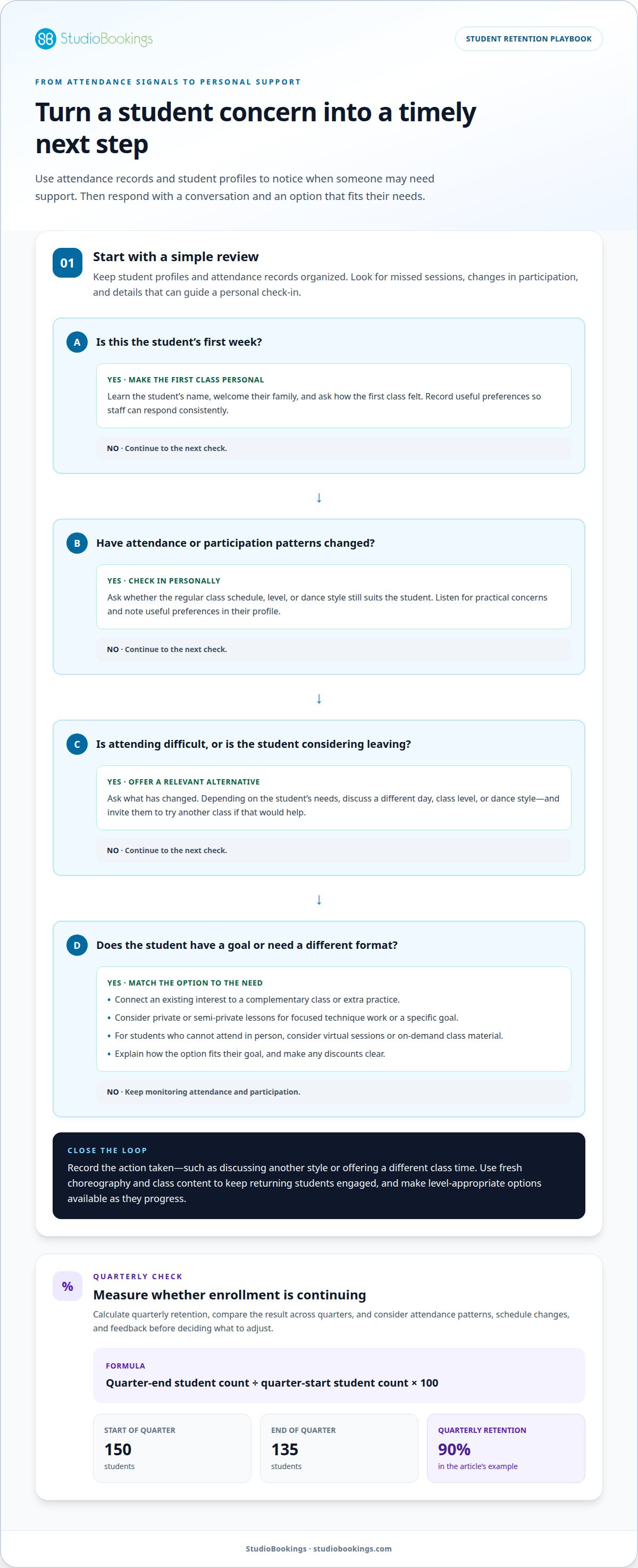
Start with clear student profiles and attendance records. They help owners see which classes students attend, spot missed sessions, and notice changes in participation. Use the information to guide a personal check-in, not just to track registration. If a student stops attending a regular class, for example, ask whether the schedule, level, or style still suits them.
Make a student’s first week of dance classes personal. Learn names, welcome families, and ask how the first class felt. A brief conversation can reveal practical concerns, such as a class time that conflicts with another activity or uncertainty about the student’s level. Follow up and record useful preferences in the student profile so staff can respond consistently.
Offer a relevant alternative when a student struggles to attend or considers leaving. A different day, class level, or dance style may better fit their routine. If a family is unsure about changing styles, invite the student to try another class. Fresh choreography and class content can also engage returning students, while level-appropriate options give them room to progress.
Build on a student’s existing interest before suggesting another class. A ballet student looking to develop coordination might enjoy a complementary style; a dancer preparing for a performance may value extra practice. Explain how the class connects to their goals, and make any discounts clear. The aim is a useful next step, not a sales pitch that adds cost without meeting a real need.
Private and semi-private lessons can give students focused time to work on technique or prepare for a specific goal. An expanded schedule can include these options alongside group classes. For students who can’t attend in person, studios might also explore virtual sessions or on-demand class material. Match the format to the student’s needs and make the schedule easy to understand.
These tools work best together. Attendance records can prompt a check-in, the conversation can uncover a scheduling problem, and a suitable alternative can help the student continue. Note the action taken, such as offering a different class time or discussing another style. Strong client retention strategies for dance studios turn information into a timely, personal response instead of waiting until a student has enrolled elsewhere.
Measure student retention quarterly to see whether your changes support continued enrollment. Divide the student count at quarter-end by the count at the quarter’s start, then multiply by 100. For example, a studio starting with 150 students and ending with 135 has a quarterly retention rate of 90%. Compare the result across quarters and consider attendance patterns, schedule changes, and feedback before deciding what to adjust.
A small, personal surprise can make a student feel recognized. Celebrate a birthday, first performance, or enrollment milestone with a handwritten note, a studio-show pass, or a thoughtful gift. A discount may suit a student who regularly attends intensives, while an invitation to a studio event can appeal to a broader group. Match the gesture to the occasion and student so rewards don’t feel like routine promotions.
A guest instructor can bring fresh learning to familiar lessons. Invite someone to lead a focused workshop in a style already on the schedule, or offer a special session introducing a new technique. Tell students what they’ll learn and how the session suits their level. Afterward, ask what they valued and whether they’d like related classes.
Tailor communications to their audience. Parents may need updates about children’s schedules, upcoming showcases, and progression options. Adult students may value reminders about lesson times, new workshops, or opportunities that fit their goals. Be specific: a returning student who enjoys jazz needs different news from a parent looking for a suitable beginner class.
Adult students often value flexible schedules, personal progress, and classes tied to their goals. For children, recognize learning milestones and communicate with parents about the child’s experience, class fit, and next steps.
When a student misses classes or cancels, follow up personally and calmly. Ask what has changed, listen to the answer, and suggest a relevant schedule or style alternative if it could help them return.
Returning students also need a clear path forward. Teachers can discuss progress after a lesson and recommend a more specialized class when the student is ready. Present advancement as an invitation, not an assumption: explain what the new class involves and how it supports continued learning.
Use feedback to shape the next step. After a workshop, gift, or schedule change, ask students what worked and what they would change. If several families mention the same timetable conflict, review the schedule; if students want more challenge, consider an appropriate progression. These follow-ups turn appreciation into practical improvements.
Students are more likely to feel connected when they have ways to belong beyond class. Host a casual social activity, such as a studio picnic or shared craft session, where dancers and families can talk without focusing on technique. Welcome newcomers and returning students alike. A child joining the program can meet classmates before their next lesson, while parents get to know the people they’ll see each week.
Build relationships with dance families through small, consistent gestures. Greet students by name, notice a dancer’s progress, and follow up on concerns in person. Mark a birthday or one-year studio anniversary with a card or brief announcement. These moments show that staff see each dancer as an individual, not just a name on the schedule.
When a family raises a concern, respond promptly, calmly, and personally. Listen without interrupting, then clarify what would improve the experience. If a parent says their child feels lost in class, the teacher can discuss the student’s progress and agree on a practical next step. Follow up after making the change so families know their feedback led to action.
Give students a voice in shaping the program. Ask which social activities they’d attend, what workshops they’d like, or what would make the school more welcoming. A student who suggests a group outing could help choose its format while staff handle the arrangements. Social connections outside lessons can help students feel part of a community, rather than attending only for their individual class.
Staff relationships matter, too. At a team meeting, invite each teacher to share a personal detail or two, such as a favorite dance style or hobby. These details give colleagues natural conversation starters and help students meet staff as people. Share a meal after a planning meeting, such as a potluck or food brought in. A simple routine of coworker appreciation, like leaving a kind note, can also strengthen day-to-day support.
Streamline repetitive administrative work so staff can focus on relationships. Clear class schedules, enrollment records, and staff responsibilities mean less time spent sorting out logistics and more time welcoming families. For example, assign someone to greet newcomers at a showcase while teachers prepare students backstage. Consistent, thoughtful interactions make community-building a practical part of retention.
Early feedback helps a dance studio owner catch friction before it turns into a withdrawal request. Families may notice a class-time conflict, unclear communication, or a facility issue before staff see its effect on attendance. Set a clear way to share concerns, such as a short online questionnaire or a conversation after class. Explain that the effort helps the school improve the member experience, not just collect comments.
Ask focused questions that lead to useful next steps. A survey can ask students about their strengths, areas they want to improve, and future dance goals. Families can comment on schedules, teachers, facilities, and registration. Keep questions specific: “Does the current class time work for your family?” gives clearer direction than “Are you satisfied?”
Gather feedback at the start and end of the season. The first survey can reveal needs before routines settle; the end-of-season survey can show what changed. Ask families about practical details, too. For example, invite comments about parking during the 4-5pm hour, when arrival and pickup may affect their experience. Compare the responses and choose an action the studio can explain.
Studios may start receiving withdrawal calls around the third week of classes. That makes early listening especially valuable: invite families to share concerns before then and respond directly. Use a brief survey and a clear way to speak with staff to collect feedback, acknowledge each concern, and explain the next step.
Make open communication part of everyday studio contact. A teacher can ask how a class felt after a challenging lesson, while a staff member can invite a parent to discuss a scheduling concern. Listen without rushing to defend the program. Restate the concern in your own words, agree on a practical action, and follow up after making a change.
Use survey results to improve the student experience, not just to attract new dancers. If families say recital information arrives too late, clarify when and how updates will be shared. If students want more challenge, review class levels and progression options. Tell respondents what changed and thank them for their time.
Close the feedback loop with a simple record of the concern, agreed action, and follow-up. For example, note a request to adjust the schedule, assign a staff member to review it, and update the family once there’s a decision. This shows students and parents that speaking up leads to a considered response, even when the studio can’t make every requested change.
A loyalty program works best when students understand what earns a reward and how to claim it. For example, offer a free class after a student completes five classes, or recognize a referral with points. Points could go toward a class discount, merchandise, or a studio-show pass. Choose rewards that suit your school and make the rules easy to explain.
Track enrollment and attendance together to understand who’s returning and where participation changes. A quarterly student retention rate is calculated by dividing the student count at quarter-end by the count at the beginning of the quarter, then multiplying by 100. Review the result alongside attendance records and class enrollment. If attendance dips in a particular class, investigate its schedule, level, or student experience before changing the reward plan.
Revenue offers another useful perspective. Compare enrollment and income across the same periods, then consider which classes and packages students choose repeatedly. A popular class may encourage repeat enrollment, while declining attendance could signal a need to review the schedule. These figures help owners assess whether a reward builds loyalty or simply discounts participation that would have continued anyway.
Keep attendance drawings simple and fair. Give a student a ticket for arriving on time in appropriate attire and hairstyle, then hold the drawing at a regular interval. Studios can run drawings monthly, every other month, or at year-end. A visible Wall of Fame can recognize winners and celebrate students who register early, bring a friend, or join Spirit Week.
Recognize more than attendance. A dance school can celebrate long-term students, referrals, birthdays, or progress toward a personal goal. A small birthday treat or free merchandise may feel more meaningful than a routine discount. Tie the reward to a specific action and explain how students can take part without making participation feel compulsory.
What pricing, memberships, and class packages encourage long-term enrollment? Share tuition and fees clearly before registration, and offer membership or class-package options suited to different attendance habits. Rather than relying on low prices to retain students, use transparent terms and relevant loyalty benefits so they can choose what fits their routine.
Use the numbers to refine the program. If frequent attendees respond to class passes, keep that option; if students value recognition, highlight milestones instead. Organize attendance and enrollment records to make those patterns easier to review and use when planning rewards.
StudioBookings brings class scheduling, memberships, payments, and staff management together in one dashboard. Its Pole and Dance Studio Software helps organize the details behind attendance rewards, repeat enrollment, and timely follow-up. With class information and membership records easier to manage, your team can spend more time responding to students and families.
Consider StudioBookings when schedules, registrations, and studio administration become difficult to coordinate. The platform also includes a mobile app for studio owners and members, making studio information accessible on the go. The right setup helps you put the retention practices in this guide into action while keeping the personal experience students value in focus.
Contact StudioBookings to discuss your studio’s needs.
Lasting retention comes from consistent care, not occasional gestures. Choose one small improvement, decide who will own it, and make time to learn from the response. That turns client retention strategies for dance studios into an ongoing way of working rather than a one-time campaign.
The right management tools can help you keep studio operations organized while your team focuses on students. StudioBookings offers Yoga Studio Software, Pilates and Barre Studio Software, and Fitness and HIIT Studio Software, alongside its dance studio offering. If you’re ready to explore how studio software could support your next steps, contact StudioBookings to discuss your studio.
You don’t need to change everything at once. Start with a practical improvement your team can sustain, then build on what you learn. A more connected student experience begins with the next thoughtful step.
Use tools that help staff act on student information, not just store it. A class roster shows enrollment, while attendance records help identify changes in participation. Keep useful notes, such as a preferred style or a request for a different level, so staff can make relevant recommendations. A simple survey can reveal preferences that attendance data alone won’t explain.
The strongest approach combines useful studio systems with personal attention. Keep communications relevant to each student, recognize progress, and make it straightforward to continue learning as skills develop. For example, a student completing a beginner course could receive a personal recommendation for a suitable next class. Review how students respond, then refine the approach instead of relying on discounts as the main reason to stay.
Look for changes before a student formally withdraws. Review attendance and enrollment patterns by class, then record whether departures relate to schedules, class fit, or another concern. A quarterly retention rate uses the student count at quarter-end, divided by the count at the quarter’s beginning, multiplied by 100. Compare equivalent periods over time, and pair the result with reasons students leave.
Make the first class easy to navigate. Before a new student arrives, explain where to go, what to expect, and how the class matches their experience level. At the studio, introduce them to the teacher and explain the class routine. Afterward, invite a brief conversation about how it felt. A clear next step, such as choosing a regular class, helps turn a first visit into a lasting habit.
Create opportunities for students to connect outside their usual lesson. Host a casual gathering, invite dancers to help shape a workshop, or create a display celebrating student achievements. Give newcomers a friendly introduction instead of expecting them to join established groups on their own. When students feel included in studio life, participation can become part of their connection to the school.
Choose rewards that recognize meaningful participation and suit your students. A studio might acknowledge long-term enrollment, referrals, or personal milestones with recognition, a class pass, or merchandise. Explain eligibility clearly and keep the reward valuable without making attendance feel compulsory. Track which incentives students use and appreciate to decide whether to continue, adjust, or replace a program.
Give each communication channel a clear purpose. Email can share season dates or showcase details; text can deliver a timely schedule reminder; social media can celebrate a student’s performance or studio event. Keep messages relevant and avoid sending every update to every family. Parents and adult students may need different information. Invite replies when questions or feedback would help.
There’s no single useful retention rate for every dance studio or season. Enrollment can shift around registration periods, performances, and schedule changes, so compare similar periods rather than treating one quarter as a universal benchmark. Track student counts at the start and end of each quarter, then review attendance and departures alongside the percentage. This reveals your seasonal pattern without confusing new enrollment with returning students.