If you’re planning how to open a fitness studio, start by defining your niche (gym, yoga, functional training, etc.), identifying your target audience, and creating a clear business plan.
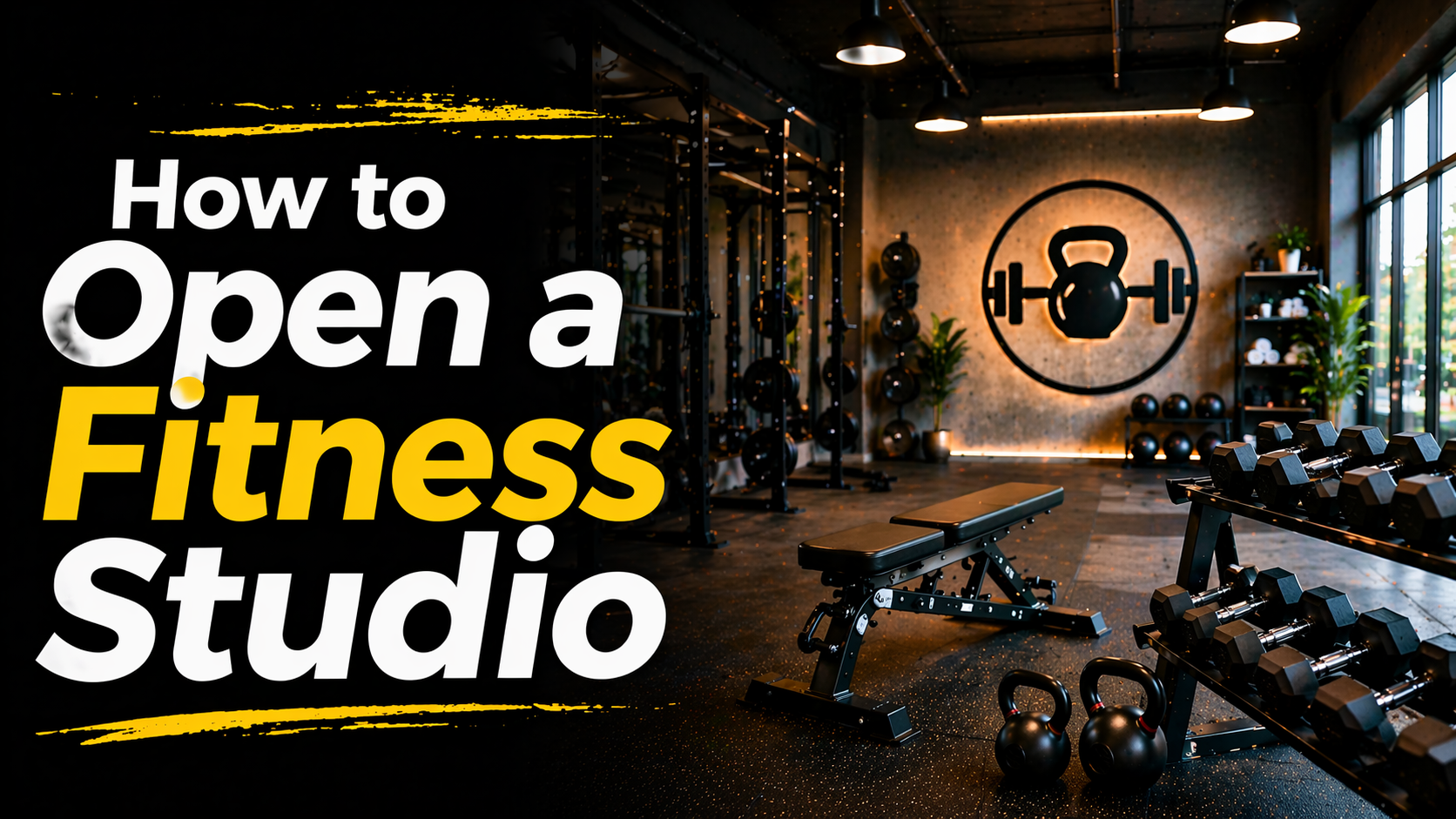
The smell of fresh rubber mats. The sound of a heavy bassline thumping through the walls. The sight of twenty people moving in perfect synchronization, sweat dripping, focused on one thing: getting better.
If you’ve spent your life in the gym, you don’t just see a business; you see a sanctuary. But let’s be real for a second. Transitioning from "fitness enthusiast" to "studio owner" is like moving from a light jog to a 400-pound deadlift. It’s heavy. It’s intimidating. And if your form isn’t right, you’re going to get hurt—financially speaking.
But here’s the good news: you don't have to lift this alone. This isn't your typical, dry business manual. We’re diving deep into the sweat and the spreadsheets to show you exactly how to open a fitness studio that doesn't just survive but dominates your local market.
Most people start a studio because they love fitness. That’s actually a trap. Loving fitness makes you a great trainer, but it doesn’t make you a CEO. Studios fail because of "The Leak"—lost leads, manual scheduling errors, and inconsistent cash flow.
To avoid this, you need to think like a technologist as much as a coach. From day one, your strategy should revolve around automation. Whether it’s yoga studio software or a comprehensive studio management software, your "back office" needs to run while you’re on the floor.
Don’t try to be everything to everyone. Are you a high-intensity interval training (HIIT) hub? A Zen yoga retreat? Or a specialized Pilates reformer studio?
Let’s explore all the key areas you need to cover when planning to start your own fitness studio.
You need a roadmap. This isn't just for investors; it's for your own sanity. Your plan should cover:
Expense Category Estimated Cost (Small/Medium Studio)
Security Deposit / Rent $5,000 - $15,000
Equipment $10,000 - $50,000
Interior Branding/Renovation $5,000 - $20,000
Studio Management Software $150 - $300 (Monthly)
Marketing (Launch Phase) $2,000 - $5,000
Note: StudioBookings offers affordable pricing starting at just $25/month for solo studio owners, with all features included and no hidden fees.
You’ve heard it before: location is everything. But in the fitness world, "location" means more than just a street address. It means:
This is where many owners stumble. They try to manage 100 members using Excel and Google Calendar. It’s a recipe for burnout.
When looking into how to open a fitness studio, your first hire should actually be your class scheduling software. Why? Because your time is worth $100/hour, but doing manual data entry is a $10/hour task.
If you’re running a yoga or Pilates space, your clients expect a certain "vibe." That vibe starts with the booking experience.
Understanding the market is key to securing your spot. As shown in the data below, the shift toward digital-first management is no longer a luxury—it's the industry standard for growth.
Studio Growth Metric Impact of Software Adoption
Member Retention Rate +25% with automated engagement
Admin Time Saved 10-15 hours per week
Revenue from Add-ons +15% via integrated POS systems
Don’t buy everything at once. Start with the essentials. If you're a yoga studio, high-quality mats and blocks are your bread and butter. If you're a CrossFit box, you need rigs and plates.
Pro Tip: Aesthetic matters. In the age of Instagram, your studio needs to be "grid-worthy." Great lighting and a "selfie wall" are actually marketing expenses that pay for themselves.
Your trainers are your brand. One bad instructor can lose you twenty members in a month.
Running a studio is a marathon of small tasks. Here is what you and your users need for a seamless experience:
Don’t wait until the doors are open to start selling.
The first six months will be a blur. You’ll be tired. You’ll wonder if the rent is worth it. This is where your studio management software becomes your best friend. Use your data!
Opening a fitness studio is about more than just sets and reps. It’s about building a community that changes lives. It’s a lot of work, but with the right niche, a solid location, and the right yoga class scheduling software, you are setting yourself up for a win.
Don't let the administrative side of the business distract you from the reason you started. Automate the boring stuff so you can focus on the people.
Opening a fitness studio is not just a short-term venture—it’s a long-term business opportunity when executed correctly.
Studios with hybrid models and automation tools often achieve 20–40% higher revenue consistency.
Studios using fitness studio software typically see higher retention rates due to better communication and tracking.
Over time, your fitness studio can evolve into:
A1: If you’re planning how to open a fitness studio, start by defining your niche (gym, yoga, functional training, etc.), identifying your target audience, and creating a clear business plan. Next, choose a suitable location, estimate your budget, and invest in tools like studio management software to manage operations efficiently from day one.
A2: The average cost to open a fitness studio depends on size, location, and services offered. Key expenses include rent, equipment, interiors, staff salaries, and marketing. Many successful studios also invest in yoga studio software or fitness management tools early to reduce long-term operational costs.
A3: Yes, software plays a critical role when understanding how to open fitness studio. Using class scheduling software helps automate bookings, manage payments, track attendance, and improve overall efficiency. It also reduces manual errors and saves time daily.
A4: When planning how to open fitness studio, attracting clients requires a mix of strategies:
Providing a smooth booking experience through studio management software also improves conversions.
A6: Profitability typically takes 6 to 12 months. Studios that focus on structured operations, strong marketing, and multiple revenue streams (memberships, personal training, online sessions) tend to achieve profitability faster.
A6: Some common challenges when learning how to start a fitness studio include:
These challenges can be effectively managed using yoga studio software or studio management software, which streamline operations and improve efficiency.
A7: When planning to open fitness studio, you may need business registration, local municipal permits, and safety compliance approvals. Requirements vary by location, so it’s important to check local regulations.
A8: The equipment required depends on your studio type. For general fitness studios, you may need:
Start with essentials and expand as your membership grows.
A9: An effective schedule balances peak hours, beginner-friendly sessions, and advanced classes. Using class scheduling software, you can track attendance trends and adjust timings to maximize class occupancy and member satisfaction.
A10: When deciding how to start a fitness studio, many owners now choose hybrid models. Offering both online and in-person classes increases flexibility, expands reach, and creates additional revenue streams. With the right studio management software, managing hybrid operations becomes seamless.
Here are the most important points to remember when learning how to open a fitness studio: